
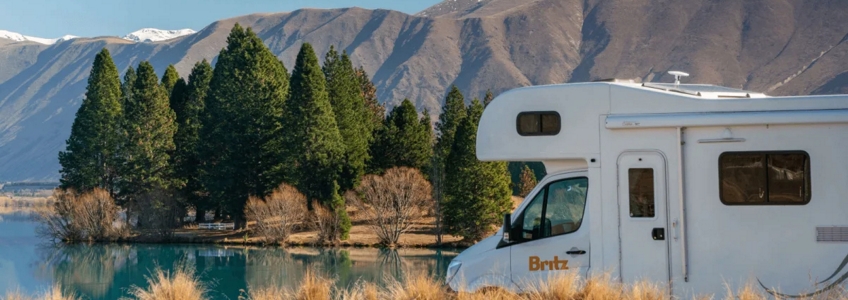
New Zealand is a dream destination for motorhome travel, but its weather can change quickly and dramatically. In a single day, you might experience sunshine, strong winds, heavy rain, and even snow depending on where you are.
Understanding New Zealand’s Weather Patterns
New Zealand’s geography creates highly variable conditions. The North Island tends to be warmer and more humid, while the South Island can bring alpine conditions, especially in winter. Coastal areas are prone to strong winds, and rainfall is frequent in regions like the West Coast and Fiordland.
Key weather challenges include:
- Sudden temperature drops, especially overnight
- High UV exposure even on cooler days
- Strong crosswinds on open roads
- Heavy rainfall and flooding in certain regions
- Frost and snow in alpine areas during winter
Managing Temperature Extremes
Temperature swings can be significant, especially if you're travelling between regions or elevations.
For colder conditions:
- Ensure your heating system is functioning correctly
- Use curtains to retain heat
- Carry extra blankets or bedding
For warmer conditions:
- Install reflective window shades
- Ensure ventilation systems and fans are working
- Park strategically in shaded areas when possible
Solar panels are especially useful in New Zealand, providing off-grid power while taking advantage of high UV levels.
Preparing for Wind and Driving Conditions
New Zealand’s open roads, especially in coastal and alpine areas, can expose motorhomes to strong winds.
Before travel:
- Check tyre pressure and tread depth
- Ensure suspension and steering systems are in good condition
- Secure all external items such as awnings and bike racks
While driving:
- Reduce speed in windy conditions
- Be cautious on exposed bridges and mountain passes
- Keep both hands firmly on the wheel and anticipate gusts
Rain, Moisture, and Humidity Control
Rain is a constant factor in many parts of New Zealand, and moisture can quickly become an issue inside your motorhome.
Always ventilate the motorhome, even during rainy weather, to reduce humidity levels.
Preparing for Seasonal Travel
Each season brings its own set of challenges.
Summer:
- Protect against UV damage with covers and coatings
- Carry plenty of water and ensure your cooling systems are efficient
Winter:
- Fit snow chains if travelling in alpine regions
- Use antifreeze where appropriate
- Monitor weather forecasts closely before heading into mountainous areas
Spring and Autumn:
- Be prepared for rapidly changing conditions
- Watch for slippery roads due to rain or fallen leaves
Emergency Preparedness
Weather conditions can disrupt travel plans, so it’s important to be prepared.
Carry an emergency kit including:
- First aid supplies
- Extra food and water
- Warm clothing
- Torch and spare batteries
Keep a charged mobile phone or backup communication device, especially in remote areas where coverage may be limited.
For those integrating tech into their setup, consider weather alert apps or automated alerts tied into your travel planning systems.
Final Thoughts
New Zealand offers some of the most rewarding motorhome experiences in the world, but its weather demands respect and preparation. A well-prepared motorhome not only keeps you safe but also ensures your journey remains enjoyable regardless of the conditions.
The better prepared you are, the more freedom you’ll have to enjoy the journey from sunny coastal roads to rugged alpine landscapes.
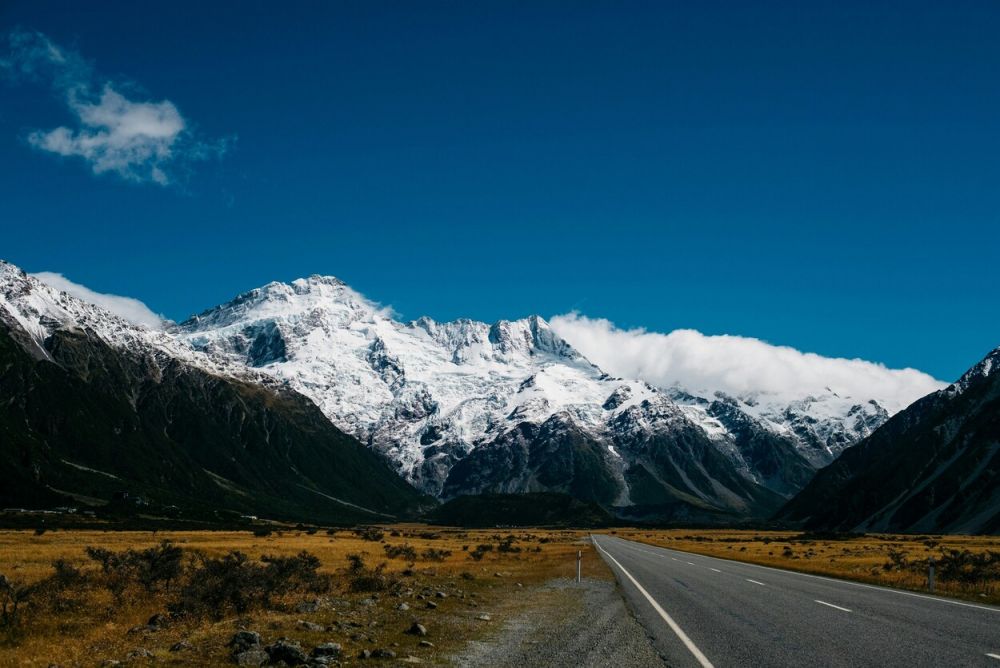
Photo by Pablo Heimplatz on Unsplash